
Hackensack has one of the more varied housing stocks in Bergen County — Colonials and Capes from the 1940s and 50s near Fairmount and First Ward, mid-century split-levels closer to the Oradell border, and a steady wave of renovated homes throughout the city as owners update aging exteriors. That variety means there’s no single “right” answer for siding in Hackensack, but there are consistent patterns we see on almost every siding estimate in this part of Bergen County: aluminum siding original to 1960s homes that’s dented and faded, old wood clapboard that’s been repainted one too many times, and vinyl siding installed 20+ years ago that’s cracked, warped, or simply out of style.
This guide covers what actually matters when you’re deciding between siding repair and full replacement, how vinyl compares to fiber cement and other materials for a New Jersey climate, what really drives cost, and what the installation process looks like from start to finish.

Why Siding Condition Matters More Than Most Homeowners Realize
Siding isn’t just cosmetic. It’s your home’s primary defense against wind-driven rain, humidity, and temperature swings — and Bergen County sees all three. Hackensack sits close enough to the Hackensack River and surrounding wetlands that humidity and moisture exposure are a bigger factor here than in some of the county’s higher, drier towns further west.
When siding fails — through cracking, gaps, warping, or loose panels — moisture gets behind the panel and into the wall assembly. From there, it can lead to:
- Rotting sheathing and framing behind the siding
- Mold and mildew growth inside exterior walls
- Reduced insulation performance, driving up heating and cooling costs
- Pest entry points, especially around gaps at corners and window trim
- Cosmetic damage that compounds over time, like staining and streaking
The tricky part is that a lot of this damage happens out of sight, behind the panels, long before it becomes visible from the street. That’s why understanding the early warning signs matters more than waiting until siding visibly looks bad.
Signs You Need Siding Repair
Not every siding issue calls for a full replacement. These are the situations where a repair typically makes sense:
- A handful of cracked or warped panels in an otherwise sound, well-installed system
- Loose panels that have popped out of their track but aren’t damaged
- Isolated impact damage — a cracked panel from a fallen branch, for example
- Minor fading on a system that’s structurally fine and less than 15 years old
- Caulking failure around trim, windows, or corners without deeper water intrusion
If the damage is contained to a small area and the rest of the siding is performing well, targeted repair is almost always the more cost-effective route, and a legitimate contractor should tell you that rather than pushing a full replacement you don’t need.
Signs You Need Full Siding Replacement
Replacement becomes the right call when:
- Siding is original to a home built more than 20–25 years ago
- You see widespread warping, buckling, or cracking across multiple walls, not just one section
- Panels feel soft or spongy when pressed — a sign of moisture damage behind the siding
- You notice rising energy bills alongside visible drafts near exterior walls
- Mold, mildew, or a persistent musty smell is present near exterior walls
- You’re planning other exterior work (roofing, window replacement) and want a cohesive result
If your roof is also showing its age, it’s worth having both evaluated together. Our guide on how to know if you need a roof replacement in New Jersey covers the roofing side of that same “repair vs. replace” decision, and bundling roofing and siding work under one project typically saves on scaffolding, permitting, and scheduling versus doing them separately.
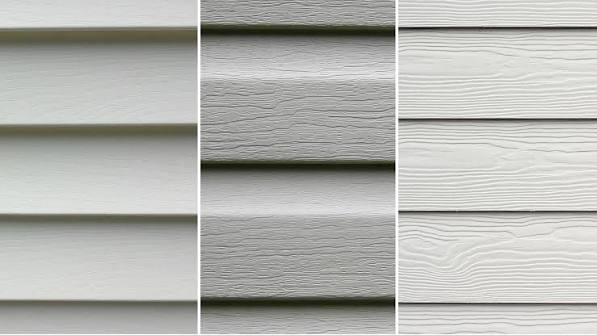
Vinyl Siding vs. Fiber Cement vs. Wood: What Actually Makes Sense for Bergen County Homes
Vinyl siding remains the most popular choice for Hackensack homeowners, and for good reason. Modern vinyl has come a long way from the thin, brittle panels of decades past. Today’s insulated vinyl siding offers:
- Lower upfront material and installation cost compared to fiber cement
- Minimal maintenance — no repainting required
- Strong resistance to moisture and rot since it’s not an organic material
- A wide range of colors and profiles, including options that mimic wood grain
- Good performance in humid environments, which matters for Hackensack’s proximity to the river
The main tradeoff is impact resistance — vinyl can crack in extreme cold if struck hard, and lower-grade vinyl can fade faster in direct sun exposure over many years.
Fiber cement siding (like James Hardie board) has become increasingly popular in Bergen County over the last decade, especially for homeowners prioritizing longevity and a more upscale appearance. It’s more resistant to impact, doesn’t warp with heat, and holds paint extremely well, but it comes at a higher material and installation cost, and it’s heavier, which means installation typically takes longer.
Wood siding, while it has real curb appeal, requires the most ongoing maintenance — repainting or staining every few years — and is the most vulnerable to the moisture and pest pressure common in Bergen County’s wetter pockets. We generally only recommend wood siding for homeowners who specifically want the traditional look and are prepared for the maintenance commitment that comes with it.
For most Hackensack homes, insulated vinyl siding offers the best balance of cost, durability, and low maintenance — but if you’re planning to stay in the home long-term and want maximum durability, fiber cement is worth the higher upfront investment.
What Drives Siding Replacement Cost in Hackensack and Bergen County
Every home and every project is different, but the main cost factors on a typical siding estimate include:
- Total square footage of exterior wall area
- Material choice — standard vinyl vs. insulated vinyl vs. fiber cement
- Number of corners, windows, and architectural details that require custom trim work
- Condition of the sheathing underneath — if there’s rot or water damage, that needs to be addressed before new siding goes on, which adds cost but is not optional
- House height and accessibility — two- and three-story homes require more scaffolding and labor
- Whether insulation is being upgraded at the same time (a smart move if your current siding has none)
The only way to get a real number is a free, in-person inspection, since online “average cost” figures rarely account for what’s actually happening behind your existing siding. We provide free estimates specifically so Hackensack homeowners get an honest, itemized number instead of a rough national average that doesn’t reflect their home.
What to Expect During a Siding Replacement Project
For homeowners who haven’t been through a siding replacement before, here’s a realistic look at the process:
- Free inspection and estimate. We assess the current siding, check the sheathing and framing underneath at a few sample points, and discuss material options based on your home and budget.
- Material selection. You choose color, profile, and material — vinyl, fiber cement, or another option — along with any trim and accent details.
- Removal of old siding. The existing siding comes off, which is also when hidden issues (rot, old water damage, pest activity) get discovered and addressed before moving forward.
- Sheathing repair, if needed. Any compromised wood is replaced. This step is non-negotiable — installing new siding over damaged sheathing just hides a problem instead of fixing it.
- House wrap and moisture barrier installation. A proper weather-resistant barrier goes on before the new siding, which is one of the most important — and most commonly skipped by low-quality contractors — steps in the entire process.
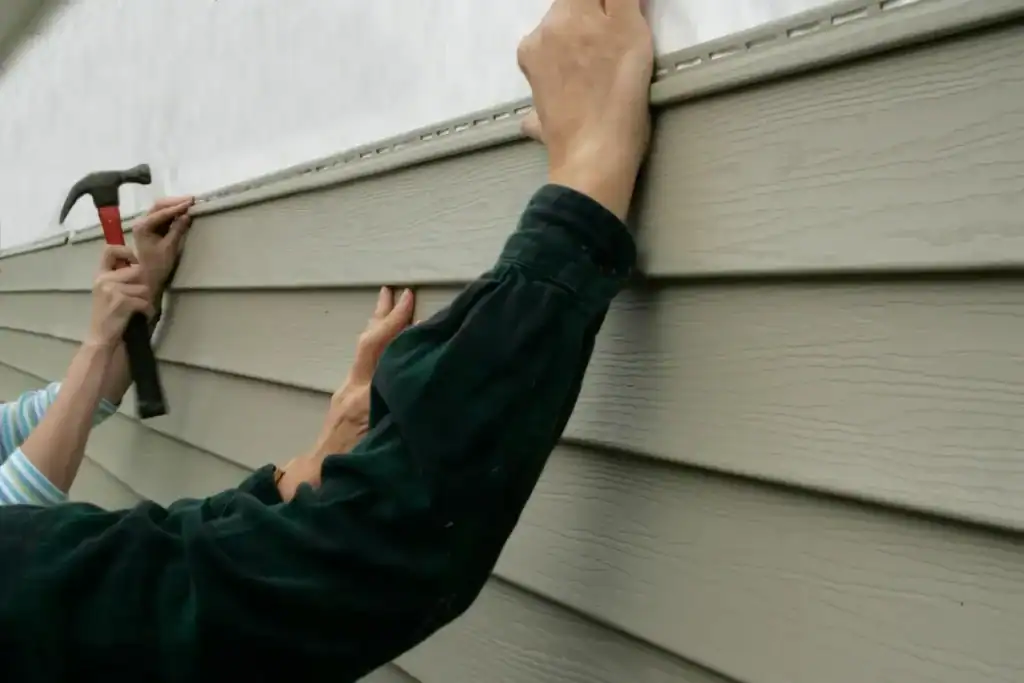
- New siding installation. Panels, trim, and corner pieces go up according to manufacturer specifications.
- Final walkthrough and cleanup. We inspect the finished work with you and make sure the property is left clean, with debris and old materials properly disposed of.
A typical single-family home in Hackensack can usually be completed within several days to about a week, depending on square footage, material choice, and weather conditions.
Siding, Roofing, and Gutters: Why We Look at the Whole Exterior
Siding problems rarely exist in complete isolation from the rest of a home’s exterior. We’ve seen plenty of Hackensack estimates that started as a siding call and ended up including a gutter fix, because water overflowing from a damaged or undersized gutter system was the actual source of the rot at the base of the siding. If you’re dealing with staining, warping, or soft spots near the bottom of exterior walls, it’s worth having your gutter system checked at the same time — we cover exactly what to look for in our companion guide to gutter repair and installation in Clifton, NJ, which applies to homes throughout Bergen and Passaic counties alike.
The same logic applies to your roof. Water intrusion at the roofline can travel down behind siding and show up as damage several feet lower than where the actual leak originates. A full exterior evaluation — roof, gutters, and siding together — gives you an accurate picture instead of chasing symptoms one at a time.
A Recent Example From the Field
We worked on a home in Hackensack where the owner initially called about a few “cracked panels” near the front porch. During the inspection, we found that a gutter downspout above that section had been disconnected for some time, sending water directly down the wall behind the siding every time it rained. The visible cracking was real, but the underlying cause was water damage to the sheathing that had been building for over a year. Replacing just the cracked panels would have looked fine for a season or two before the same rot reappeared. Addressing the gutter issue alongside a proper repair of the affected wall section solved the actual problem instead of just the symptom — which is why we always recommend a full inspection rather than a quote based on a phone description alone.
Choosing a Siding Contractor in Bergen County
Since siding replacement is a significant investment, it’s worth knowing what actually separates a reliable contractor from one that will cause problems down the line:
- Licensing and insurance. Any legitimate contractor in New Jersey should be able to provide their NJ Home Improvement Contractor registration number and proof of liability insurance without hesitation.
- Manufacturer certification, if installing a specific brand of siding, which can affect warranty coverage.
- Written, itemized estimates rather than a single lump-sum number with no breakdown.
- A clear plan for sheathing and moisture barrier work, not just “we’ll put the new siding up.”
- Local references or reviews from homeowners in your area, since regional climate and housing stock familiarity matters.
We’re proud to be a family-owned, fully licensed and insured contractor with over 45 years of experience serving Bergen County, including Hackensack and the surrounding communities. You can read more about our approach on our About Us page or see feedback from homeowners across our service area on our reviews page.
Frequently Asked Questions
How long does vinyl siding last in New Jersey? Quality vinyl siding typically lasts 20–30 years in the New Jersey climate, though lifespan depends on product grade, installation quality, and sun exposure.
Is vinyl siding or fiber cement better for humidity near the Hackensack River? Both perform well in humid conditions since neither is an organic material prone to rot, but fiber cement offers slightly better long-term durability and impact resistance, at a higher upfront cost. Vinyl remains the more budget-friendly, low-maintenance option for most homeowners.
Do I need a permit to replace siding in Hackensack? Most siding replacement projects require a building permit in New Jersey municipalities, including Hackensack. A licensed contractor should handle the permitting process as part of the project rather than leaving it to the homeowner.
Can siding be replaced in the winter? Yes, siding installation can generally continue through New Jersey winters as long as temperatures stay within the manufacturer’s recommended installation range, though vinyl becomes more brittle in extreme cold, which can affect handling during installation.
Will new siding actually lower my energy bills? If your current siding has no insulation backing and your walls are under-insulated, upgrading to insulated vinyl or adding a rigid foam layer during a fiber cement installation can noticeably reduce drafts and improve energy efficiency, particularly in older Hackensack homes built before modern insulation standards.
How do I know if the damage behind my siding is serious? Soft or spongy panels when pressed, visible staining, a musty odor near exterior walls, or peeling interior paint on the same wall are all signs that moisture has gotten behind the siding and should be inspected before it’s treated as a purely cosmetic issue.
Get a Free Siding Inspection in Hackensack, NJ
If your siding is cracked, warped, fading, or you’re simply not sure whether repair or replacement makes more sense for your home, BlueSky Roofing & Siding offers free, no-obligation inspections and estimates throughout Hackensack and all of Bergen County — with honest recommendations based on what your home actually needs.
Call (201) 686-1059 or request your free estimate online today.

