
If you own a home with a fireplace or fuel-burning appliance in Ridgewood, NJ, the best time to think about your chimney is before you smell smoke where you should not, notice water around the fireplace, or discover damaged brick after winter. Chimney problems can develop quietly. A flue can collect deposits, a cap can loosen, flashing can begin to leak, mortar joints can open, or a liner can be damaged without creating an obvious problem in the living room.
For Ridgewood homeowners, that is especially important because the village has a large stock of older homes with traditional masonry chimneys. New Jersey’s winter weather adds another layer of stress: water enters small masonry defects, freezes, expands, and can gradually make cracks, mortar deterioration, and spalling worse. An inspection is the point where those problems can be found before they become a fireplace safety issue, a roof leak, or a larger masonry repair.
So when should you have your chimney checked? For a chimney or vent that is in use, annual inspection is the safest baseline. There are also specific situations when you should not wait for your normal yearly appointment: before the first fire of the season if the system has not been checked, after a chimney fire or severe weather event, when buying or selling a home, after changing a connected appliance, and whenever you notice new performance or moisture problems.
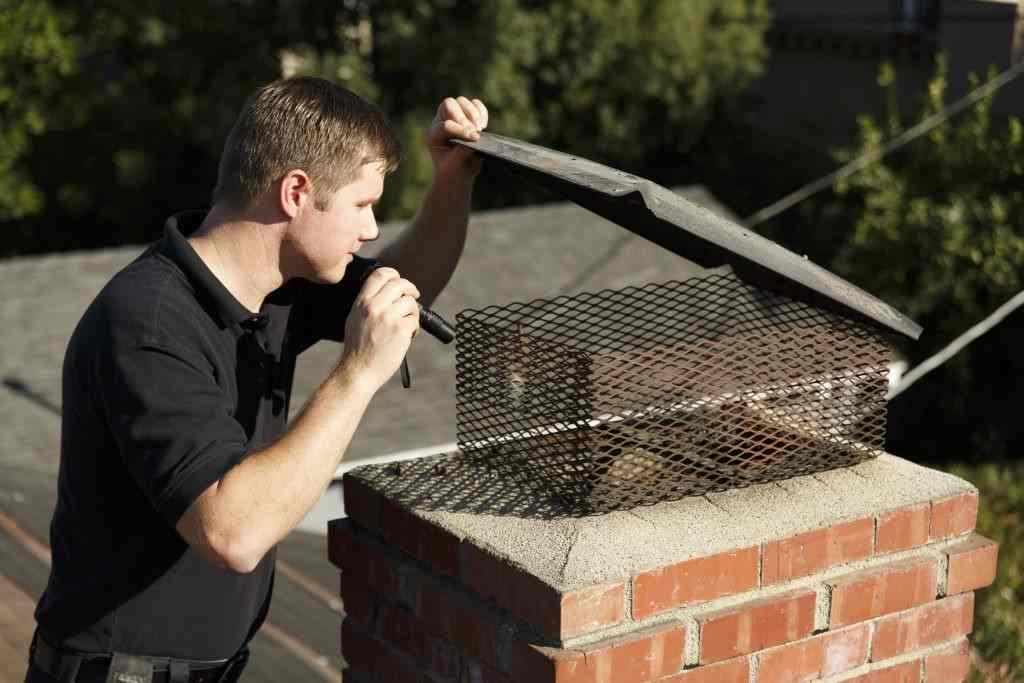
Quick Answer: How Often Should a Chimney Be Inspected in Ridgewood, NJ?
The Chimney Safety Institute of America follows NFPA 211 guidance that chimneys, fireplaces, and vents should be inspected at least once a year for soundness, deposits, and correct clearances, with cleaning or repairs performed when necessary. That does not mean every chimney must be swept on the exact same schedule. Inspection and cleaning are related, but they are not the same service.
An inspection answers: Is the system safe and serviceable, and is anything changing that needs attention? Cleaning answers: Is there soot, creosote, debris, or another blockage that needs to be removed?
In Ridgewood, a practical schedule is to arrange the inspection before regular fireplace use begins in fall. That gives you time to address a damaged cap, failed flashing, masonry deterioration, a blocked flue, or cleaning needs before cold-weather demand is high. BlueSky offers professional chimney inspection services throughout New Jersey, including Bergen County and Ridgewood.
Why Ridgewood Chimneys Deserve Regular Attention
Ridgewood is not a neighborhood of one construction type. You will find older Colonials, Tudors, traditional masonry homes, renovated properties, and newer construction. The common factor is that many chimneys are exposed to the full New Jersey weather cycle while also passing through or alongside the roof system.
That makes a chimney more than a fireplace component. It is also a masonry structure, a roof penetration, a drainage detail, and a ventilation pathway. One weak point can affect several parts of the home.
A cracked crown can admit water into the chimney. Deteriorated mortar can absorb moisture. Damaged flashing can send water into the attic or ceiling. A missing cap can allow rain, leaves, or animals into the flue. Creosote or another obstruction can reduce safe venting. None of these problems necessarily announces itself immediately.
Ridgewood’s own winter safety guidance tells residents to clean fireplaces or stoves and have flues checked for creosote buildup. For homeowners who use a fireplace regularly, combining that seasonal awareness with an annual professional inspection is a sensible maintenance routine.
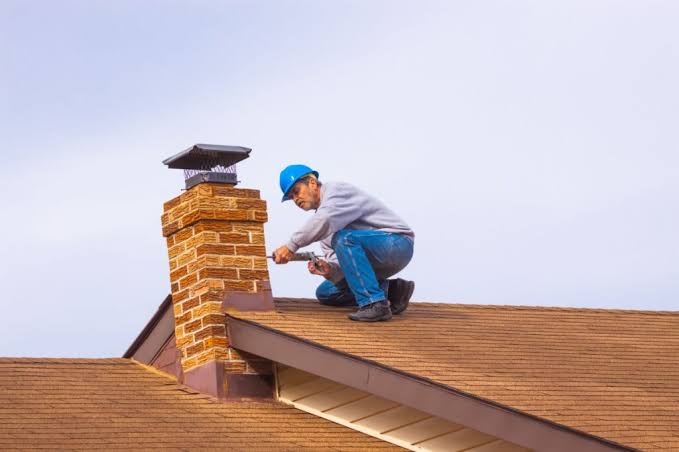
The Best Times to Schedule a Chimney Inspection
1. Before the first fire of the fall or winter
For many Ridgewood homeowners, late summer or early fall is the ideal inspection window. You can check the system before regular use begins rather than discovering a problem on the first cold weekend of the season.
An early appointment is especially useful if the fireplace was rarely used the previous year. Lack of use does not guarantee that the system stayed unchanged. Water, freeze-thaw damage, birds, animals, loose caps, wind, or debris can create new conditions even while the fireplace is idle.
2. Once every year if the chimney is in service
Annual inspection is the standard baseline for an actively used chimney or venting system. The inspection is not simply a search for creosote. It should consider the accessible chimney structure, flue, clearances, appliance connection, and other visible conditions relevant to safe operation.
If no cleaning or repair is needed, that is still useful information. The value is knowing the system’s condition rather than waiting for a failure.
3. When you move into or buy a Ridgewood home
A general home inspection is not the same as a dedicated chimney inspection. Chimney interiors, liners, smoke chambers, and inaccessible areas can require more focused evaluation than a normal home inspection provides.
If you are buying an older Ridgewood property with a fireplace, ask when the chimney was last inspected, cleaned, lined, or repaired. If documentation is incomplete, a more detailed inspection may be appropriate before you depend on the fireplace.
A Level 2 inspection is commonly recommended in connection with a property transfer because it can include additional accessible areas and video scanning of the flue interior. It gives the buyer a better understanding of conditions that may not be visible from the firebox or roofline.
4. After a chimney fire or suspected chimney fire
Not every chimney fire is dramatic. Some are loud and obvious; others may burn quickly and leave evidence that a homeowner did not recognize at the time. If you suspect a chimney fire, stop using the system until it has been evaluated.
Heat can damage liners, joints, masonry, or nearby combustible materials. A system that appears intact from the room can still have internal damage that changes how safely it vents the next fire.
5. After major storm damage or a falling branch
Strong wind, falling limbs, heavy snow, or impact can damage a cap, crown, flashing, or masonry. After a severe weather event, look from the ground for obvious changes such as a tilted cap, missing pieces, loose flashing, or fresh masonry debris.
Do not climb onto a steep, wet, icy, or damaged roof to investigate. A professional inspection is safer and more useful when damage is suspected above the roofline.
6. After changing the fireplace, stove, furnace, or other connected appliance
Changes in fuel type, appliance efficiency, venting configuration, or flue use can change what the chimney needs. A venting system that worked with one appliance should not automatically be assumed suitable for a different one.
This is one of the situations where a more detailed inspection may be appropriate. Ridgewood’s Building Department also provides a New Jersey Uniform Construction Code chimney-verification form for replacement of fuel-fired equipment, which is a reminder that chimney compatibility is part of appliance replacement planning, not an afterthought.
7. When you notice water near the chimney or fireplace
A chimney inspection is not only for fire safety. Water around a fireplace, ceiling stain, damp attic area, peeling paint, white masonry staining, or a musty smell can point to chimney or roof-junction problems.
Common causes include failed step or counter flashing, crown cracks, deteriorated mortar, damaged caps, or porous masonry. BlueSky’s guide to chimney repair in Ridgewood, NJ explains these local repair issues in more detail. If water appears after rain, the inspection should evaluate the chimney and the surrounding roof together so the source is not misdiagnosed.
8. When the chimney starts drafting differently
Smoke entering the room, weak draft, unusual odors, or a fire that behaves differently than normal are reasons to stop and investigate. Draft problems can have several causes, including blockages, deposits, flue-size issues, appliance changes, house-pressure changes, or damage in the venting path.
Do not treat recurring smoke in the room as a normal quirk of an older fireplace. The correct response is to determine what changed.
9. When you see visible masonry deterioration
From the ground, look for missing mortar, cracked crown material, leaning, loose bricks, spalling brick faces, or white staining. These are exterior symptoms, but the inspection should determine whether the problem is cosmetic, moisture-related, structural, or connected to the flue system.
Ridgewood’s freeze-thaw cycles make moisture control especially important. Water absorbed by masonry can freeze and expand, gradually worsening small defects. Early chimney repair services can be much more targeted than repairs performed after years of water entry.
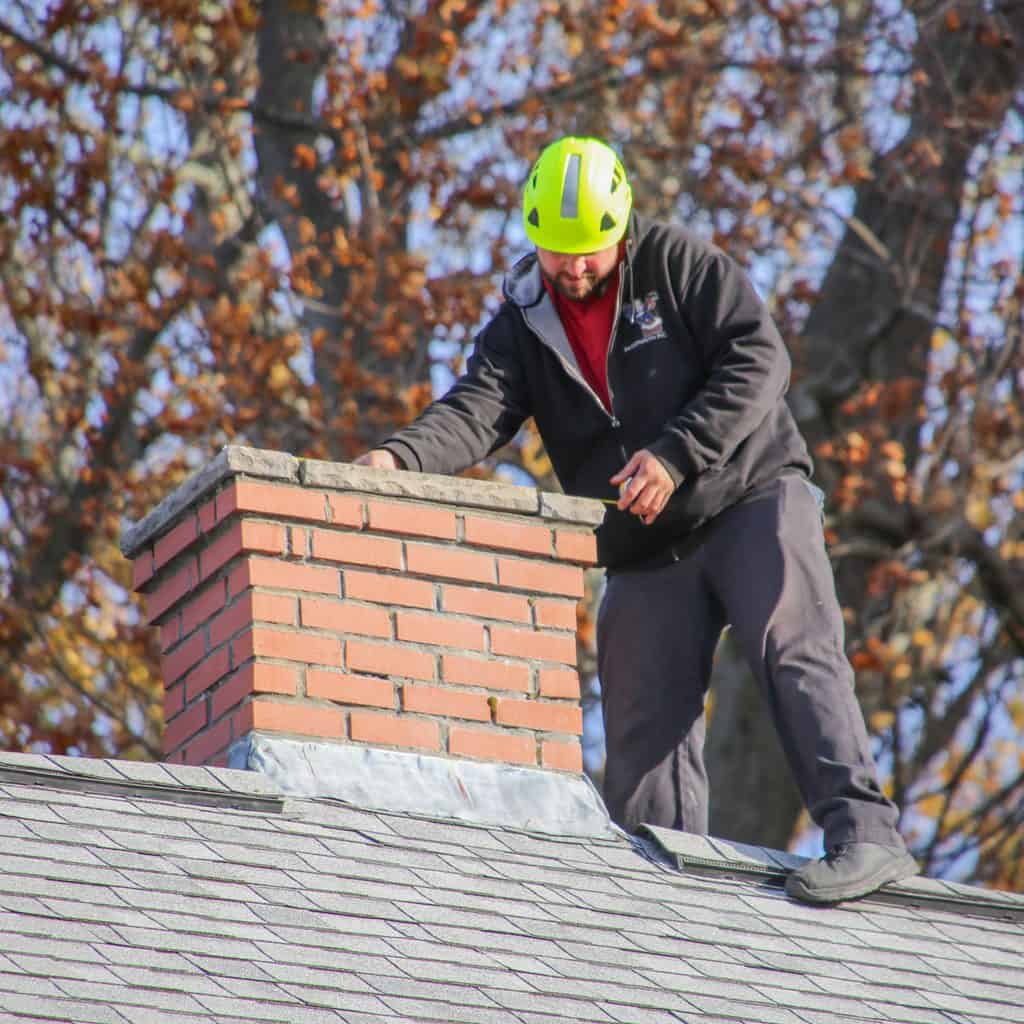
What Does a Professional Chimney Inspection Check?
A useful chimney inspection is systematic. The exact scope depends on the inspection level and the type of chimney, but homeowners should expect more than someone standing in the yard and looking at the bricks.
Exterior masonry and chimney crown
The inspector looks for open mortar joints, cracked or spalling bricks, crown deterioration, movement, staining, and other signs that water or age is affecting the structure.
Chimney cap and termination
The cap helps limit direct water entry and keeps animals and debris out. It should be secure, appropriately sized, and in good condition.
Flashing where the chimney meets the roof
This is a major leak point. The inspection should evaluate whether the metal flashing and counter-flashing are intact and properly integrated with the roofing system. Surface caulk alone is not a substitute for correctly installed flashing.
Flue and liner condition
The liner is part of the venting system and helps contain heat and combustion products. Depending on the inspection level, the flue may be viewed from accessible locations or examined with video equipment.
Deposits and obstructions
The inspection looks for soot, creosote, nesting material, debris, or other blockages. If cleaning is needed, BlueSky also provides chimney cleaning in New Jersey.
Firebox, damper, smoke chamber, and accessible connections
Visible fireplace and venting components should be checked for deterioration, unusual deposits, damage, or other concerns that affect operation.
Signs of water intrusion
Efflorescence, staining, rust, deteriorated mortar, damp areas, and damaged finishes can point to water entry. A roof-chimney leak should be investigated as a system rather than assuming the brick, roof, or flashing is automatically at fault.
Level 1 vs. Level 2 Chimney Inspection: What Is the Difference?
Homeowners often see “Level 1” and “Level 2” online without knowing what changes between them.
A Level 1 inspection is the normal baseline when the system is being used under the same conditions and there is no known reason to suspect a major change. It focuses on readily accessible portions of the chimney, venting system, and connected appliance.
A Level 2 inspection includes the Level 1 scope plus additional accessible areas and typically a video examination of the flue interior. It is appropriate when conditions have changed or when more information is needed to determine whether the system is serviceable. Examples can include a property transfer, a change in appliance or fuel, relining work, a chimney fire, weather or impact damage, or a concern that cannot be resolved with a basic inspection.
A Level 3 inspection is more invasive. It may involve removing building components to reach concealed areas when a serious hazard is suspected and the necessary information cannot be obtained through Level 1 or Level 2 access.
For most Ridgewood homeowners scheduling routine annual maintenance, the conversation starts with the condition and history of the chimney. The inspector should recommend the inspection level based on what has changed, what is visible, and how the system is used.
Chimney Inspection vs. Chimney Cleaning: You May Need One, Both, or Neither
One of the most common misconceptions is that “chimney inspection” and “chimney cleaning” are interchangeable.
An inspection evaluates condition. A cleaning removes deposits and obstructions. The inspection may determine that the flue needs sweeping, but it can also uncover problems that cleaning alone cannot fix: cracked masonry, a damaged cap, failed flashing, water entry, a deteriorated liner, or an improper connection.
The reverse is also true. A chimney may need cleaning even if the exterior looks perfect from the street. The visible brick does not tell you how much deposit is inside the flue.
The better approach is condition-based maintenance. Inspect on schedule, clean when deposits or blockages make cleaning necessary, and repair defects before they expand.
What Are the Warning Signs That You Should Not Wait Until Your Annual Inspection?
Schedule an inspection sooner if you notice any of the following:
• Smoke entering the room or a noticeable change in draft.
• Strong smoky or creosote odors, especially when the fireplace is not in use.
• Water stains, dampness, or peeling finishes near the chimney.
• White staining on exterior brick, which can indicate moisture movement through masonry.
• Cracked, missing, or visibly eroded mortar joints.
• Spalling bricks or pieces of masonry on the roof or ground.
• A damaged, missing, or loose chimney cap.
• Rust on the damper, firebox components, or other metal parts.
• Birds, animal sounds, nesting material, or debris in the chimney.
• Pieces of tile or liner material in the firebox.
• A chimney fire, lightning strike, falling branch, or other event that could have caused damage.
These signs do not all mean the same repair is needed. They mean the system deserves a closer look before you keep using it.
Why Fall Is a Smart Inspection Season in Ridgewood
Ridgewood winters can bring freezing temperatures, snow, ice, and periods of repeated thawing. If an exterior masonry defect is already allowing water in, winter can make the deterioration progress faster. At the same time, fireplaces and heating appliances are used more often.
Scheduling before winter gives you two advantages. First, the system can be checked before peak use. Second, exterior problems such as flashing, cap, crown, or masonry defects can be identified before freezing conditions make repair scheduling more difficult.
That does not mean fall is the only correct time. If you discover a problem in January, inspect it in January. If you buy a house in May, inspect it in May. The calendar is less important than not ignoring a change in condition.
What If the Inspection Finds a Problem?
A good inspection should end with a clear explanation of what was found and what actually needs to happen next. Not every defect requires a major project.
A missing cap may call for cap replacement. Localized mortar deterioration may call for repointing. A flashing leak may require properly rebuilding the roof-to-chimney transition. A cracked crown may be repairable depending on its condition. A damaged liner, widespread masonry failure, or structural movement requires a different level of work.
This is where having one contractor evaluate both chimney and roof details can be helpful. BlueSky provides chimney repair services as well as roofing and exterior services in Bergen County, so problems at the chimney-roof intersection can be evaluated as one system instead of being passed between trades.
If the inspection leads to visible exterior alterations or significant construction work, check local requirements before work begins. The Village of Ridgewood Building Department administers the New Jersey Uniform Construction Code, and properties in designated historic areas can have additional review requirements for exterior work that changes what is visible from a public street.
How to Prepare for a Chimney Inspection
You do not need to diagnose the chimney before the inspector arrives, but a little preparation makes the visit more useful.
Stop using the fireplace if there is an active safety concern, suspected fire, or smoke entering the room. Make the fireplace area accessible. Gather any records from previous cleanings, liner installations, cap work, masonry repairs, roof replacements, or appliance changes. Tell the inspector about leaks, odors, draft issues, animals, unusual sounds, or weather events, even if the problem seems minor.
If you are buying a home, ask the seller for the chimney’s service history. If you are selling, having documentation of recent inspection and repairs can make it easier to answer buyer questions about the fireplace and chimney system.
What Not to Do Before a Chimney Inspection
Do not climb onto the roof to perform your own close inspection unless you are trained and equipped to work safely at height. Roofs around chimneys can be steep, slippery, or deteriorated.
Do not assume a chimney-cleaning log or chemical product replaces a mechanical cleaning or professional inspection. Do not cover masonry defects with random sealants. Some coatings can trap moisture rather than solve the water-entry problem. And do not keep using a fireplace that is sending smoke into the home, showing evidence of a chimney fire, or dropping liner or masonry debris into the firebox.
Frequently Asked Questions About Chimney Inspection in Ridgewood, NJ
How often should I have my chimney inspected in Ridgewood?
For an actively used chimney, fireplace, or venting system, annual inspection is the standard recommendation. Inspect sooner when the system’s use changes or you notice a problem.
Do I need a chimney inspection if I rarely use my fireplace?
Yes, infrequent use does not eliminate the need to know the chimney’s condition. Water, animals, debris, masonry deterioration, or weather damage can occur even when no fires are burned.
Should I inspect the chimney before winter?
That is an excellent time because it allows you to identify cleaning, water-entry, masonry, cap, liner, or flashing problems before frequent fireplace use. Ridgewood’s winter safety guidance also recommends checking the flue for creosote buildup.
Do I need a Level 2 inspection when buying a house in Ridgewood?
A Level 2 inspection is commonly recommended when a property changes hands because it provides a more detailed examination than a basic visual inspection, including accessible areas and video scanning of the flue. The correct scope should be determined by the chimney professional based on the system and circumstances.
Does chimney cleaning automatically include a full inspection?
A reputable cleaning service should evaluate relevant conditions, but cleaning and inspection are different services. Confirm what inspection level and documentation are included when you schedule the appointment.
Can a chimney inspection find the cause of a roof leak?
It can identify chimney-related leak sources such as failed flashing, crown damage, cap issues, or porous/deteriorated masonry. Because water can travel before appearing indoors, the surrounding roof should also be evaluated when the leak is near the chimney.
What happens if the chimney fails inspection?
The next step depends on the defect. Some problems need cleaning or a targeted repair; others may require liner work, masonry restoration, flashing repair, or more extensive reconstruction. You should receive a clear explanation of the problem and the recommended scope before work begins.
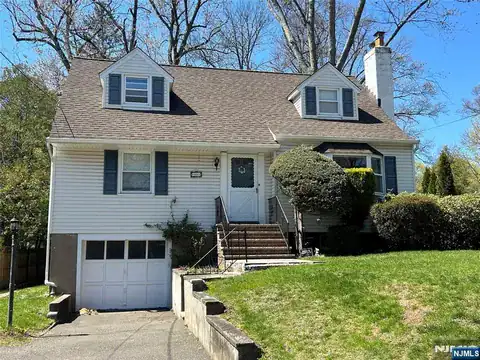
Schedule a Chimney Inspection in Ridgewood, NJ Before Small Problems Grow
A chimney inspection is easier to schedule than a chimney emergency. If your fireplace is in use, plan on an annual inspection and move the appointment forward whenever the system has changed, been exposed to damage, or starts showing warning signs.
For Ridgewood homeowners, the most useful inspection is one that looks at the chimney as part of the whole building envelope: the flue and fireplace, the masonry, the crown and cap, the flashing, and the surrounding roof. That is how you catch the difference between routine maintenance and a defect that can lead to smoke problems, water intrusion, or expensive masonry damage.
BlueSky Roofing & Siding provides professional chimney inspection services in Ridgewood and throughout Bergen County. If an inspection uncovers a problem, the same team can help with cleaning, masonry, flashing, chimney repair, and roof-related work. Call (201) 686-1059 or request a free estimate through BlueSky Roofing & Siding.

