
By BlueSky Roofing & Siding Solutions | Serving Essex County, NJ | (201) 686-1059
Quick Answer: Most Montclair homeowners can repair siding when the damage is limited to one or two sections, the wall sheathing underneath is still dry, and the siding is under about 15 years old. Full replacement is usually the smarter move when damage covers 20% or more of the exterior, the sheathing has gone soft, energy bills keep climbing, or the siding is original to a pre-1990s renovation. Homes inside one of Montclair’s historic districts have an extra step: the Historic Preservation Commission may need to review the material and profile before the Township issues a permit.
If you’ve noticed a warped board on the south-facing wall of your Upper Montclair Colonial, or your Craftsman bungalow near Watchung Plaza has a section of siding that’s started to pull away from the frame, you’re facing a decision every homeowner in this town eventually runs into: repair the damage, or replace the whole exterior. The answer isn’t the same for every house, and in Montclair, it depends on more than just the size of the crack you’re looking at.
Montclair’s housing stock is older and more architecturally varied than most of its neighbors in Essex County, and that changes the calculus. A vinyl-clad 1985 split-level near the Bloomfield Avenue corridor faces a very different decision than a 1910 Colonial Revival on Upper Mountain Avenue with original cedar clapboard under a layer of 1970s aluminum. Below, we’ll walk through the specific signs that separate a repair job from a full tear-off, what materials actually make sense for Montclair’s architecture, what the Township’s historic preservation rules mean for your project, and what both options cost in 2026.
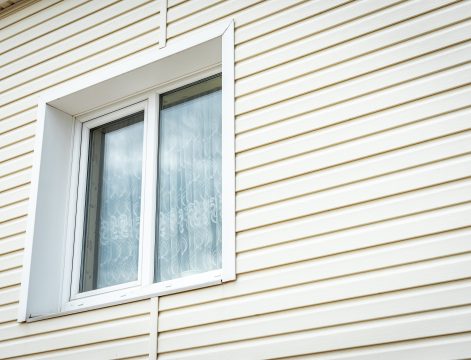
Why Siding Decisions Look Different in Montclair Than in Other NJ Towns
Walk through Montclair Center, the South End, or the streets around Edgemont Park and you’ll see Victorians, Colonial Revivals, Craftsman bungalows, and Tudor Revivals sitting side by side with mid-century additions and newer construction. Many of these homes were built between the 1890s and the 1930s with wood clapboard or cedar shingle siding, then re-clad once or twice over the decades — often with aluminum siding in the 1960s and ’70s, and again with vinyl in the 1990s and 2000s.
That layered history matters. A repair on a home with two prior siding jobs underneath the current layer can uncover problems a simple patch won’t solve — trapped moisture between layers, deteriorated original sheathing, or furring strips that have started to rot. Newer homes near Watchung Plaza or in the Erwin Park section, by contrast, are more likely to have a single, more recent siding installation, which usually means a straightforward repair-or-replace decision without the layered surprises.
7 Signs Your Siding Can Still Be Repaired
A repair is the right call when the problem is contained and the structure underneath is sound. Look for these signs first:
- Damage is limited to one or two sections — a cracked panel from a fallen branch, ladder damage, or an impact near an AC unit or downspout.
- The sheathing underneath is still firm. Press a screwdriver handle gently against the wall near the damage; solid resistance is a good sign, and a soft or spongy give means the problem goes deeper.
- The siding is under roughly 15 years old (vinyl) or has been properly maintained wood or fiber cement with no widespread rot.
- You’re seeing fading or minor discoloration without any warping, buckling, or separation from the wall.
- Only a handful of boards or panels are cracked, split, or chipped.
- The actual failure point is caulking or trim around windows and doors, not the siding field itself.
- Isolated pest or woodpecker holes in one or two spots, rather than damage spread across multiple walls.
6 Signs You Need Full Siding Replacement
Full replacement makes more sense once the damage — or the age of the material — has moved past what a patch can fix:
- Damage or visible rot covers 20% or more of the home’s exterior.
- The sheathing feels soft, spongy, or crumbles when pressed — a sign moisture has been getting behind the siding for some time.
- You notice a musty smell, peeling interior paint, or staining on interior walls that back up to affected siding.
- Siding is visibly bowing, warping, or pulling away from the framing along a large section of wall.
- Heating and cooling bills have crept up over the past few winters and summers with no other explanation — a sign the siding and the insulation behind it are no longer doing their job.
- The current siding is original to a renovation done before the 1990s and is simply at the end of its service life, even if it looks fine from the street.

Matching Siding Materials to Montclair’s Architecture
Montclair’s mix of historic and contemporary homes means there isn’t one default material. What looks right — and holds up — depends on the house:
- Victorian & Colonial Revival homes: Cedar shingle or engineered wood shake siding keeps the original character intact. Fiber cement shingle-profile siding is a popular, lower-maintenance alternative that mimics the look closely enough to satisfy most design guidelines.
- Craftsman bungalows: Fiber cement lap siding paired with wide trim boards matches the deep eaves and heavier trim details typical of this style.
- Tudor Revival homes: These typically combine stucco or masonry with wood or half-timber accents, so full re-siding is less common — targeted repair of the wood accent sections is usually the better fit.
- Mid-century and newer construction: Vinyl or fiber cement lap siding remains the most cost-effective option and performs well without conflicting with any architectural review.
Montclair Historic Preservation & Permit Considerations
If your home sits within one of Montclair’s designated historic districts, or is individually listed on a historic register, exterior changes — including siding replacement — typically require review by the Township’s Historic Preservation Commission before a building permit is issued. This review generally looks at the proposed material, the siding profile (clapboard width, shingle exposure, etc.), and how closely it matches the home’s original appearance.
As in most New Jersey municipalities, a full siding replacement generally requires a building permit under the New Jersey Uniform Construction Code, while small, like-for-like spot repairs to an existing section usually don’t. Requirements can vary by scope and address, so it’s worth confirming directly with Montclair’s Building Department or Historic Preservation Commission before finalizing material choices — something we help walk homeowners through as part of every free inspection.
2026 Cost Ranges: Siding Repair vs. Replacement in Montclair
Pricing depends on the home’s size, the material chosen, and whether trim, insulation, or house wrap need to be addressed at the same time. These ranges reflect what we’re seeing on single-family homes across Essex County in 2026:
| Project Scope | Typical Montclair Price Range (2026) | Typical Timeline |
| Spot repair (1–3 boards or panels) | $350 – $1,200 | Same day to 1 day |
| Partial re-siding (single wall or addition) | $2,500 – $6,500 | 1 – 3 days |
| Full replacement — vinyl siding | $12,000 – $22,000 | 1 – 2 weeks |
| Full replacement — fiber cement (James Hardie-style) | $18,000 – $32,000 | 1.5 – 3 weeks |
| Full replacement — cedar shake / historic-appropriate wood | $25,000 – $45,000+ | 2 – 4 weeks |
These figures are general planning estimates, not quotes. Every home is different, especially in a town with as much architectural variety as Montclair — the only way to get an accurate number is a free, no-pressure inspection.
How New Jersey Weather Factors Into the Decision
Essex County sees real freeze-thaw cycling every winter, and that expansion-and-contraction stress is exactly what turns a small crack in aging siding into a larger split by spring. Summer brings heavy, fast-moving storms and occasional high winds that can loosen panels or drive water behind seams that were already starting to fail. Homes near tree cover — common throughout Montclair’s older, leafier streets — also deal with more debris impact and trapped moisture from leaf litter than homes in more open developments. All of this means that siding damage in Montclair rarely stays static; a problem that looks minor in October is worth addressing before winter, not after.
A Simple Decision Framework
Before you call anyone, walk the exterior of your home and work through these steps:
- Inspect from the ground first, then get closer to any section that looks discolored, cracked, or separated.
- Press gently on the wall near any suspect area — solid resistance is good, softness means the sheathing may be compromised.
- Check your records (or ask a longtime neighbor) for when the siding was last replaced.
- Estimate what percentage of the home’s exterior shows visible damage — under 20% generally favors repair, over that generally favors replacement.
- Note any interior clues — drafts near exterior walls, musty odors, or staining — that suggest moisture has already gotten inside.
- If your home is in a historic district, check with the Township before committing to a material.
- Get a free professional inspection before deciding — a trained eye can often catch what’s not visible from the ground.

Why Montclair Homeowners Call BlueSky Roofing & Siding
BlueSky Roofing & Siding Solutions has been family-owned and operated for over 45 years, serving homeowners throughout Essex County, including Montclair. We start every project with a free, honest inspection — no pressure, no upselling — and we’re fully licensed and insured for both siding repair and replacement work. Because we also handle roofing and gutters, we can often spot a related issue — a failing gutter seam or roof flashing problem — that’s actually driving the siding damage you called about in the first place.
You can see examples of recent siding and exterior projects in our project gallery, read what neighbors across Essex and Passaic Counties have said in our customer reviews, or learn more about our team on our About Us page.
Frequently Asked Questions
Is it cheaper to repair or replace siding in Montclair, NJ?
Yes — a spot repair typically runs $350 to $1,200, far less than a full replacement, which averages $12,000 to $32,000 depending on material. Repair only makes financial sense, though, if the damage is contained and the sheathing underneath is still sound. Patching over hidden rot usually costs more in the long run.
Do I need a permit to replace siding in Montclair?
Generally, yes. A full siding replacement typically requires a building permit under the New Jersey Uniform Construction Code, and homes in a designated historic district may also need Historic Preservation Commission approval on the material and profile. Small, like-for-like spot repairs usually don’t require a permit. Confirm specifics with the Township before starting work.
Can I install vinyl siding on a historic home in Montclair?
It depends on the district and the home’s designation. Some historic guidelines restrict vinyl in favor of wood, cedar shake, or fiber cement products with a matching profile. It’s worth checking with the Historic Preservation Commission before ordering materials — we’re happy to help homeowners navigate this as part of a free inspection.
How long does siding actually last on a New Jersey home?
Vinyl siding typically lasts 20 to 30 years, fiber cement 30 to 50 years, and well-maintained cedar shake 25 to 35 years. New Jersey’s freeze-thaw winters and humid summers tend to push actual lifespans toward the shorter end of those ranges unless the siding is properly maintained.
Will homeowners insurance cover siding repair after a storm?
Often, yes, if the damage is directly tied to a specific storm event like high wind or hail, and your policy covers wind/storm damage. Insurers typically want photo documentation and a contractor’s assessment. Gradual wear from age isn’t usually covered, which is one more reason to address small issues before they become bigger ones.
How do I know if my siding damage is from water rather than just age?
Look for soft or spongy sheathing when pressed, dark staining or streaking below the damaged area, a musty smell near the affected wall (inside or outside), and any bubbling or peeling paint on interior walls that back up to the exterior damage. Any of these point to trapped moisture rather than simple cosmetic wear, and usually mean the issue is bigger than what’s visible from the outside.
Get a Free Siding Inspection in Montclair
If you’re not sure whether your home needs a repair or a full replacement, the fastest way to find out is a free, no-obligation inspection. Our team will check the sheathing, assess the extent of the damage, and walk you through the options and costs in plain language — no pressure, no upselling. Request your free estimate or call (201) 686-1059 to schedule.

