
Installing a new roof is one of the biggest exterior projects a Wayne homeowner will take on. It is also one of the easiest projects to oversimplify. A roof is not just a layer of shingles. It is a complete weather-management system made up of decking, underlayment, ice and water protection, flashing, ventilation, edge metal, fasteners, shingles or another roof covering, and drainage details that all have to work together.
If you are researching roof installation in Wayne, NJ, the most useful question is not simply, “What shingle should I buy?” A better question is, “What does my house need so the entire roof system performs correctly in northern New Jersey weather?” That means looking at the condition of the existing roof, the roof deck, ventilation, valleys, chimneys, gutters, flashing, and local permit requirements before installation begins.
Wayne is in Passaic County, and BlueSky Roofing & Siding already provides roof installation in Passaic County, including Wayne. This guide is designed for homeowners who are still in the planning stage and want to understand the decisions that matter before signing a roofing contract.
Quick Answer: What Should You Know Before Installing a New Roof in Wayne, NJ?
Before a new roof is installed, confirm whether your home needs a full tear-off or whether a repair is still reasonable. Have the roof deck inspected, review ventilation, choose a roofing material that fits the roof design, and make sure flashing and ice-and-water protection are included in the scope. Ask who is responsible for permits, how damaged decking is priced, how the property will be protected during tear-off, what warranties apply, and how cleanup will be handled.
Wayne Township’s Building Department states that construction or modifications to houses and buildings require a construction permit and are administered under New Jersey’s Uniform Construction Code. For a roofing project, permit requirements should be confirmed before work begins rather than assumed after the crew arrives.
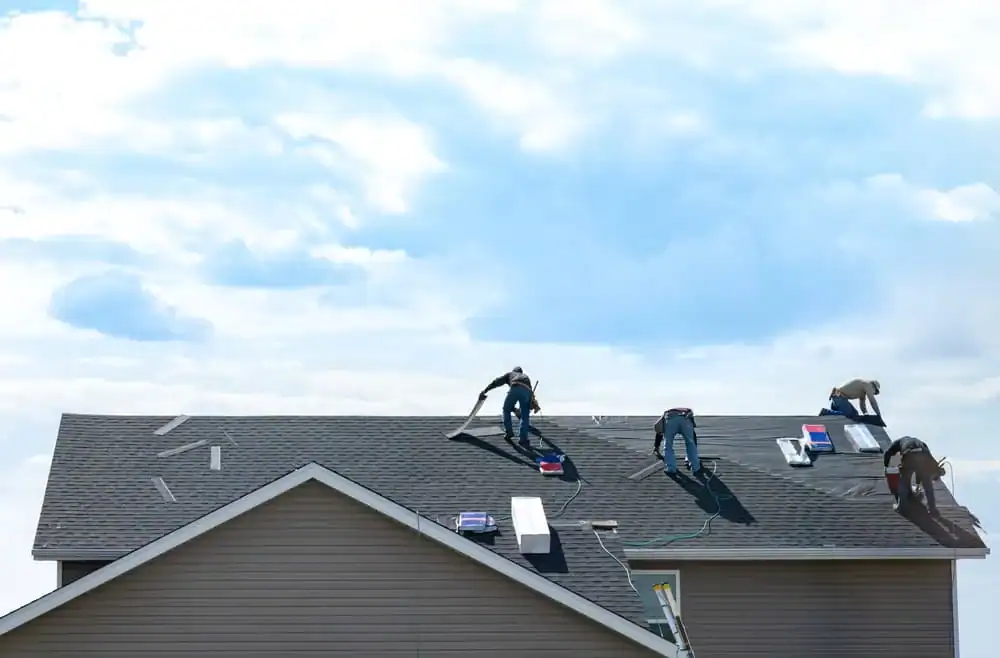
1. First Decide Whether You Need Roof Installation, Roof Replacement, or Repair
Homeowners often use “new roof installation” and “roof replacement” interchangeably, but there is a useful distinction. Roof installation can describe a roofing system installed on new construction or a newly built addition. Roof replacement usually means removing an existing roof and installing a new system in its place.
For an existing Wayne home, the decision usually begins with whether the roof can still be repaired. A few damaged shingles, one flashing defect, or a localized leak does not automatically justify replacing an otherwise serviceable roof. On the other hand, widespread shingle deterioration, repeated leaks in different areas, soft or damaged decking, extensive granule loss, failing flashing, or multiple layers of old roofing can make a full replacement the more practical long-term decision.
If the problem is limited to one area, review BlueSky’s roof leak repair in Passaic County service before assuming the entire roof must come off. If inspection shows the roof is at the end of its useful life, the roof replacement in Passaic County page explains the full replacement process.
2. Why Wayne Homes Need a Full-System Roofing Approach
Wayne homeowners deal with the same broad conditions that affect roofs throughout northern New Jersey: cold winters, freeze-thaw cycles, periods of snow and ice, heavy rain, summer heat, and wind-driven storms. A roofing system has to manage all of those conditions, not just stay dry during an average rain shower.
That is why details matter. Valleys have to move concentrated water. Eaves need protection where snowmelt can refreeze. Flashing around chimneys and sidewalls has to remain watertight as different materials expand and contract. Attic ventilation has to help control heat and moisture. Gutters and downspouts have to move water away from the roof edge and foundation.
Many suburban homes also have more complicated rooflines than a simple two-sided gable. Dormers, attached garages, additions, intersecting slopes, chimneys, skylights, and multiple valleys increase the number of transitions that must be installed correctly. The more transitions a roof has, the more important workmanship becomes.
3. Check Wayne Permit Requirements Before the Project Starts
Permits are not a detail to leave until installation day. The Township of Wayne Building Department says that construction or modifications to houses, buildings, or properties require a construction permit and that the work is regulated under New Jersey’s Uniform Construction Code. The township also provides construction permit application materials and an online Citizen Self Service portal.
For homeowners, the practical takeaway is simple: ask the contractor who will obtain the permit, who will schedule required inspections, and whether permit fees are included in the estimate. The contractor should be able to explain the process clearly.
BlueSky states that it handles permits as part of its roof installation process in Passaic County. That is useful because the person managing the roofing scope is also coordinating the municipal process instead of leaving the homeowner to figure it out after the contract is signed.
4. A Proper Roof Installation Starts With the Decking
Once the old roofing is removed, the roof deck becomes visible. This is one of the most important moments in the entire project because the deck is the structural surface supporting the roofing system.
If plywood or board decking is soft, rotted, delaminated, or otherwise damaged, installing new shingles over it does not solve the underlying problem. Fasteners need a solid substrate. Flashing details need stable surfaces. Valleys and roof edges need dependable support.
Before work begins, ask how damaged decking will be handled. A good estimate should explain whether a certain amount of replacement is included, what additional decking costs if more damage is discovered, and how you will be notified before extra work is performed.
This is also why the cheapest roof quote is not always the lowest-cost roof. A proposal can look attractive if it leaves out realistic allowances for deck repairs, flashing replacement, ventilation work, or disposal. Compare scopes, not just totals.
5. Know What Should Be Included in a Complete Roof System
BlueSky’s Passaic County roof-installation service describes a complete system that includes removal of existing materials when needed, deck inspection, underlayment, ice and water protection, drip edge, roofing material, flashing, sealing around penetrations, and ridge ventilation.
Those components are worth understanding because they each solve a different problem.
Underlayment adds a secondary layer of protection beneath the roof covering. Ice and water membrane is used in vulnerable areas where wind-driven rain or backed-up water can create problems. Drip edge helps direct water away from roof edges. Flashing waterproofs transitions around chimneys, walls, valleys, and penetrations. Ventilation helps control heat and moisture in the attic. The shingles are the visible surface, but they depend on everything underneath them.
If a proposal says only “remove old shingles and install new shingles,” ask for a more detailed scope.
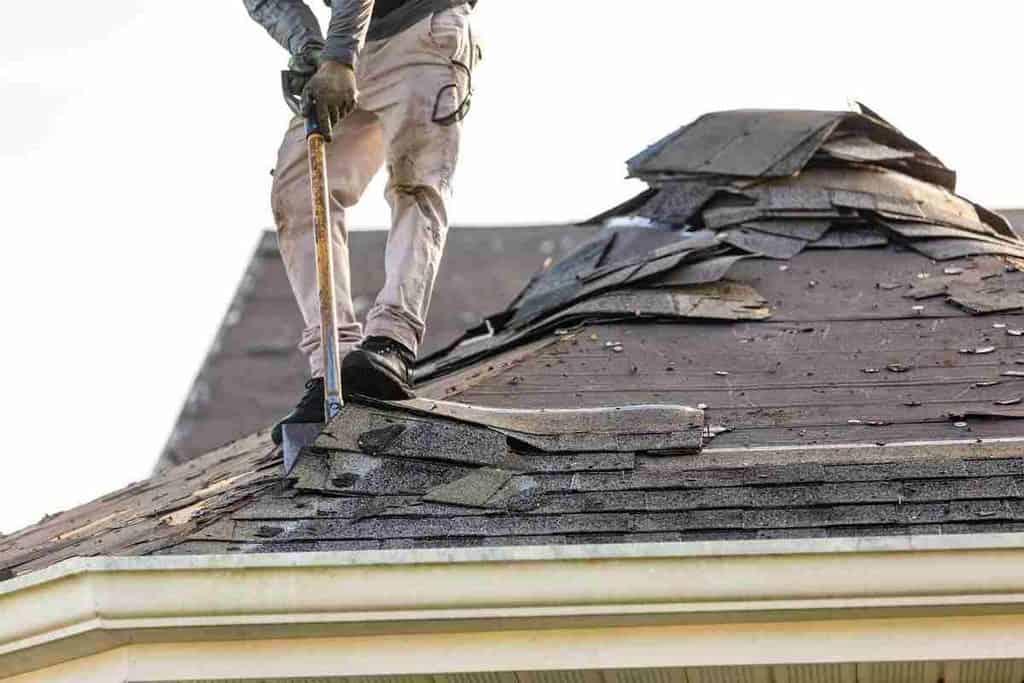
6. Tear-Off vs. Installing Over an Existing Roof
One of the most common price-saving questions is whether a new roof can be installed over the old one. In some situations, an overlay may be technically possible, but it reduces the opportunity to inspect the roof deck and can hide old flashing, moisture damage, or poor installation beneath the new surface.
A full tear-off gives the contractor a clear view of the deck and lets the new roofing system be built from the base upward. For homeowners already dealing with leaks, soft spots, old flashing, or an uncertain roof history, that visibility can be especially valuable.
Ask the contractor how many roof layers are currently present, whether the existing surface is flat enough for another layer, and whether an overlay would affect manufacturer warranty requirements. If the home is being reroofed because the old system has reached the end of its life, a tear-off is often the cleaner long-term approach.
7. Choose Roofing Materials for the House, Not Just the Sample Board
Architectural asphalt shingles are a common choice because they offer a practical balance of cost, appearance, and durability. BlueSky states that it installs GAF and CertainTeed architectural shingles on Passaic County projects. For many pitched residential roofs, that is a straightforward fit.
But material selection should still be based on the house. Roof pitch, exposure, architecture, ventilation, budget, and the number of penetrations all matter. A low-slope section may need a different roofing system than the steeper main roof. Metal may make sense for certain architectural goals or long-term ownership plans. A small porch roof can require different detailing from the main shingle field.
Ask for the exact manufacturer, product line, color, warranty category, and accessory products being used. If the contractor is proposing a “system warranty,” confirm which matching components are required for that warranty to apply.
8. Do Not Ignore Ice-and-Water Protection and Flashing
A new shingle surface can look perfect from the street and still fail early if the vulnerable details underneath were poorly installed.
In northern New Jersey, ice-and-water protection is particularly important at eaves, valleys, and other risk areas. It creates a self-adhering waterproof layer beneath the visible roof covering. This matters when water is pushed backward by ice or driven beneath shingles by severe weather.
Flashing deserves the same attention. Chimneys, sidewalls, dormers, skylights, plumbing vents, and roof-to-wall intersections should not depend on a bead of surface caulk as the primary waterproofing method. Proper flashing should be integrated with the roof system so water is directed onto the roofing surface and away from the building.
If your Wayne home has a masonry chimney, ask whether the roofing estimate includes new chimney flashing or simply reuses the existing flashing. That single detail can make a major difference in leak prevention.
9. Ventilation Is Part of the Roof Installation, Not an Optional Extra
A roof is exposed to weather from the outside, but attic moisture and heat can damage it from the inside. Poor ventilation can contribute to excessive attic heat, condensation, moisture accumulation, and uneven roof temperatures.
The goal is balanced airflow: intake ventilation at lower roof areas and exhaust ventilation near the ridge or another appropriate high point. The exact design depends on the roof and attic configuration.
Before installation, the contractor should inspect the existing ventilation rather than automatically replacing the same vents in the same places. If the current system is inadequate, the new roof is the right time to correct it because the roofing surface is already being rebuilt.
10. How Much Does Roof Installation Cost in Wayne, NJ?
There is no accurate Wayne roof price without measuring the actual roof. Home square footage is not roof square footage. Pitch, overhangs, attached garages, porches, dormers, valleys, and multiple roof sections can all increase the roof area and labor.
BlueSky currently publishes a general Passaic County planning range of approximately $350 to $650 per roofing square for new roof installation. One roofing square equals 100 square feet of roof surface. That published range is useful for early budgeting, but it is not a Wayne-specific quote and does not include every condition that can affect a project.
The final cost can increase with steep slopes, complex access, multiple roofing layers, extensive damaged decking, chimney or skylight flashing, ventilation upgrades, premium materials, or structural repairs. A straightforward roof with sound decking and simple geometry may remain closer to the lower end.
When comparing estimates, ask each contractor to list roof area, tear-off, disposal, underlayment, ice-and-water membrane, drip edge, flashing, ventilation, shingles, decking allowances, permits, cleanup, warranty, and any optional upgrades. That makes the bids comparable.
11. How Long Does a New Roof Installation Take in Wayne?
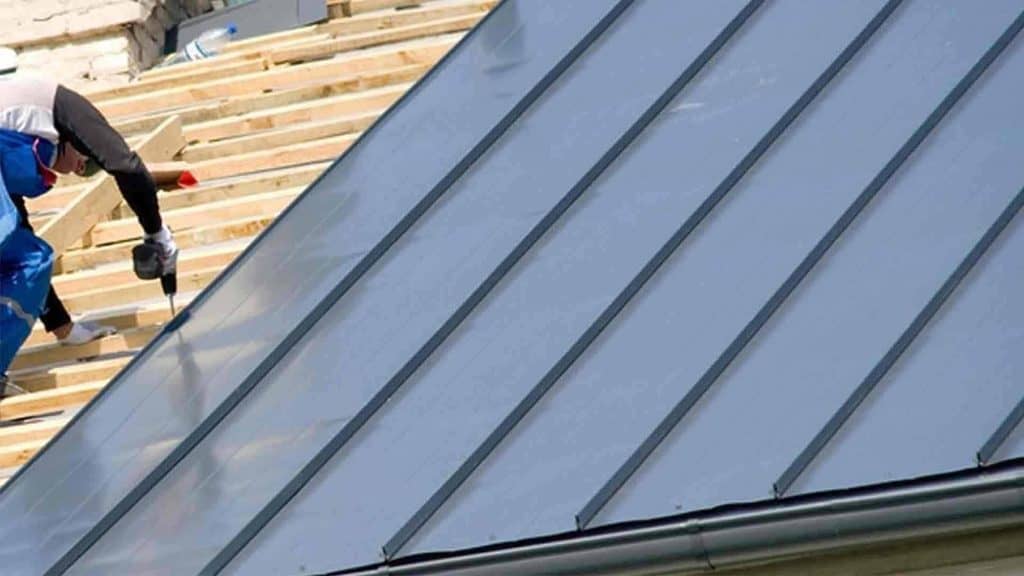
BlueSky’s Passaic County service page says many roof installations are completed within one to three days, depending on the size of the property, roof complexity, and weather. That is a reasonable planning window, not a guarantee for every house.
A simple roof with good access may move quickly. A large roof with multiple valleys, several chimneys, damaged decking, or steep pitches takes longer. Weather can also interrupt work. A responsible contractor should not rush waterproofing steps simply to meet an artificial one-day deadline.
Ask for both the expected installation duration and the full project timeline. Permit processing, material delivery, dumpster scheduling, weather delays, and final inspection can extend the calendar beyond the days the crew is physically on the roof.
12. Ask These Questions Before Hiring a Roofing Contractor in Wayne
The best time to discover what is missing from a roofing proposal is before you sign it. Ask the contractor:
Are you licensed and insured in New Jersey? Who is responsible for the Wayne permit? Is the project a full tear-off or an overlay? What exact roofing system and manufacturer are you installing? How much ice-and-water protection is included? Are all flashings being replaced or reused? How will damaged roof decking be priced? What ventilation changes are included? How will siding, landscaping, driveways, windows, and gutters be protected during tear-off? Who is responsible for magnet sweeping and debris cleanup? What workmanship warranty is included? Which manufacturer warranties apply? What happens if rain is forecast during the project?
BlueSky lists NJ License #13VH13982000 and describes itself as fully insured. Its Passaic County roof-installation page also says the company handles permitting, uses architectural shingle systems, and provides a one-year workmanship guarantee along with applicable manufacturer warranties.
13. Prepare Your Wayne Property for Installation Day
Roof replacement is noisy and disruptive, even when the crew is organized. A little preparation helps protect the home and makes the job easier.
Move vehicles away from the driveway so materials and debris equipment have access. Remove fragile wall decorations because vibration from tear-off and fastening can shake upper-floor walls. Cover stored items in the attic if dust may fall through deck gaps. Keep children and pets away from work zones. Move patio furniture, grills, planters, and delicate landscaping items away from the house where possible.
If you have exterior cameras, low-voltage wires, satellite equipment, solar components, or unusual roof-mounted accessories, point them out before work begins. Do not assume the roofing crew knows which components can be removed or disconnected.
14. Watch for These Red Flags in a Roof Installation Quote
A very short scope of work. If the contract only lists shingles and labor, important system components may be missing.
No plan for damaged decking. Almost every tear-off carries some possibility of hidden deck damage. The pricing method should be clear before work begins.
Reusing all old flashing without inspection. Some flashing can remain serviceable, but the decision should be based on condition, not convenience.
No ventilation review. Replacing the roof while ignoring a poor attic ventilation system wastes an opportunity to solve a long-term problem.
No permit discussion. Wayne’s Building Department administers construction permits. Your contractor should be prepared to explain what is required for the project.
A price that depends on same-day pressure. A new roof is too important to choose because an estimate expires in a few hours. Compare scope, materials, contractor credentials, cleanup, warranties, and communication.
15. What Happens After the Roof Is Installed?
A professional project should finish with more than a crew driving away. The site should be cleaned, debris removed, the ground checked for nails, and gutters cleared of roofing debris. The contractor should complete a final quality inspection and review the work with the homeowner.
Keep the written contract, permit records, final invoice, manufacturer warranty information, workmanship warranty, product details, and before-and-after photos together. These records are useful for future maintenance, insurance questions, and eventually the sale of the home.
BlueSky’s project gallery can also help homeowners understand the type of completed work and jobsite conditions they should expect from a professional roofing project.
Frequently Asked Questions About Roof Installation in Wayne, NJ
Do I need a permit for a new roof in Wayne, NJ?
Wayne Township’s Building Department states that construction or modifications to houses and buildings require a construction permit under New Jersey’s Uniform Construction Code. Confirm the exact requirements for your roofing scope with the township or have your contractor handle the permitting process.
How much does roof installation cost in Wayne, NJ?
BlueSky publishes a general Passaic County planning range of about $350 to $650 per roofing square for new roof installation. A roofing square equals 100 square feet of actual roof surface. Final Wayne pricing depends on roof size, pitch, materials, access, decking condition, flashing, ventilation, tear-off requirements, and other project-specific factors.
How long does it take to install a new roof in Wayne?
Many residential roof installations can be completed in one to three working days, but complex roofs, damaged decking, weather, or larger homes can take longer. Permit and scheduling time should also be considered separately from installation days.
Should I replace my roof or repair it?
Repair can make sense when damage is localized and the rest of the roof remains serviceable. Replacement becomes more reasonable when deterioration is widespread, leaks are recurring, decking is compromised, or the existing roof is near the end of its useful life.
What roofing material is best for a Wayne home?
There is no single best material for every house. Architectural asphalt shingles are a practical choice for many pitched roofs, while low-slope sections may require another system. Material selection should account for roof pitch, architecture, exposure, ventilation, budget, and long-term ownership plans.
Can a contractor install new shingles over old shingles?
Sometimes an overlay may be possible, but a full tear-off provides access to inspect the roof deck, replace damaged materials, and rebuild flashing and waterproofing details correctly. Ask how an overlay would affect inspection, system performance, and manufacturer warranties before choosing it.
Planning a New Roof in Wayne, NJ?
A successful roof installation begins before the first shingle is removed. The important decisions are made during inspection and planning: whether replacement is actually necessary, what the deck looks like, how water will be managed, whether flashing needs replacement, how ventilation will work, which materials fit the house, and how the permit and inspection process will be handled.
BlueSky Roofing & Siding is based in Clifton and serves Wayne and the rest of Passaic County. Homeowners planning a new roof can review BlueSky’s roof installation in Passaic County service, explore broader Passaic County roofing services, and view the project gallery before requesting an estimate. For urgent storm damage before a planned replacement, BlueSky also provides emergency roofing in Passaic County.
For a free roof inspection and estimate, call BlueSky Roofing & Siding at (201) 686-1059.

