
By BlueSky Roofing & Siding Solutions | Serving Union County, NJ | (201) 686-1059
Quick Answer: If the mortar between your bricks is crumbling, powdery, or missing in spots but the bricks themselves are intact, you need repointing (also called tuckpointing) — not a full rebuild. Repointing removes and replaces failing mortar joints while leaving sound brick in place, and it typically costs $1,200 to $2,800 per 100 square feet of wall, or $800 to $2,200 for a full chimney. Westfield’s older brick homes, especially those built before the 1960s, were often laid with softer lime-based mortar that needs to be matched carefully — using standard modern Portland cement mortar on these homes can actually cause new cracking as the two materials expand and contract at different rates.
Drive through Wychwood, Tamaques, or the streets around downtown Westfield and you’ll pass block after block of brick Colonials, Tudor Revivals, and Georgian-style homes, many with their original masonry still in place nearly a century later. That’s a testament to how well-built brick construction holds up — but it also means a lot of Westfield’s mortar joints are due, or overdue, for repointing. Mortar has a shorter service life than the brick itself, and when it starts to fail, the fix is usually far simpler and cheaper than homeowners expect, as long as it’s caught before the problem spreads to the brick.
The tricky part in a town like Westfield isn’t identifying that repointing is needed — it’s doing it correctly on a home where the original mortar isn’t the same material contractors use today. Below, we’ll cover the signs that mean you need repointing, how it differs from a full masonry rebuild, why mortar matching matters so much on older homes, and what the work costs in 2026.
Why Mortar Fails Before Brick Does
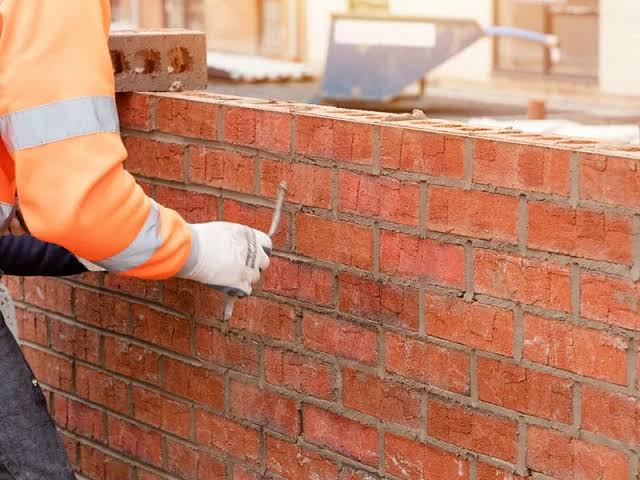
Brick itself can last well over a century with basic care, but mortar — the material between the bricks — is intentionally the weaker, more sacrificial component. Mortar is designed to wear out first and be replaceable, protecting the brick from doing that job instead. In Westfield’s climate, mortar typically needs attention somewhere between 25 and 50 years after it was placed, depending on the mortar mix, sun exposure, and how much moisture a given wall or chimney sees. On a home with 1920s or 1930s original construction, that means many walls and chimneys are now on their second or even third repointing cycle, whether or not a previous owner ever had the work done.
7 Signs Your Brickwork Needs Repointing
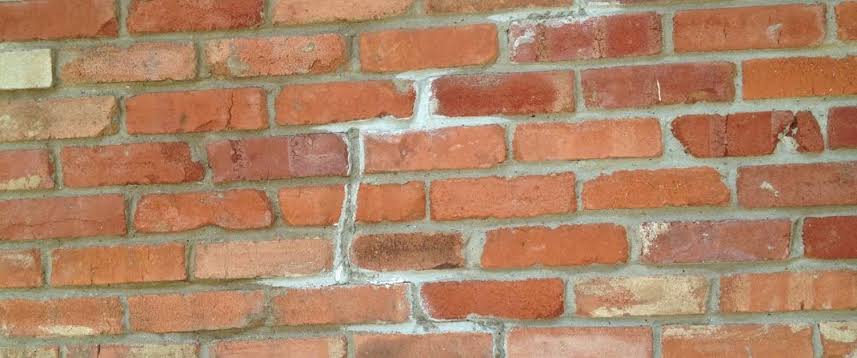
- Mortar joints look crumbly, powdery, or can be scraped out easily with a fingernail or key.
- Visible gaps or missing mortar between bricks, sometimes deep enough to see daylight through on a thin wall.
- Individual bricks feel loose or have shifted slightly out of alignment.
- A white, chalky residue (efflorescence) appears on the brick surface, a sign moisture is moving through the wall.
- Small plants, moss, or grass are growing directly out of the mortar joints.
- Cracks run along mortar lines rather than through the bricks themselves — a sign the mortar has failed structurally.
- Water stains or dampness appear on interior walls that back up to an exterior brick wall or chimney.
Repointing vs. Full Masonry Rebuild: How to Tell Which You Need
Repointing is the right fix when the bricks themselves are structurally sound and the damage is limited to the mortar joints. A full rebuild becomes necessary when the bricks are cracked, spalling (flaking apart at the face), or when a wall or chimney has shifted enough that it’s no longer plumb and stable — repointing can’t correct a structural lean or replace bricks that have already failed. As a rule of thumb, if less than about 25% of the joints on a wall or chimney need attention and the brick is in good shape, repointing alone typically solves the problem. Beyond that, or if there’s any visible bulging, leaning, or brick spalling, a full or partial rebuild is usually the more durable and ultimately more cost-effective choice.
Why Mortar Matching Matters on Westfield’s Older Homes
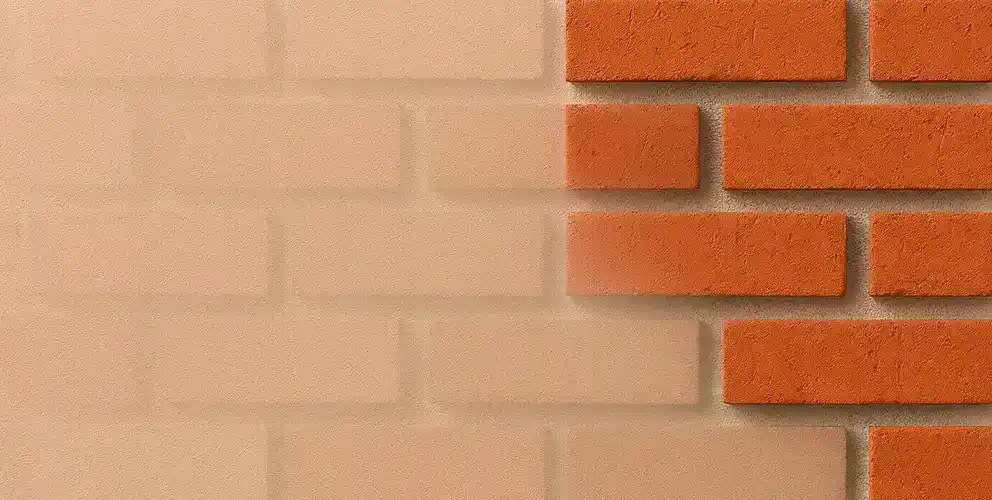
This is the detail that separates a repointing job that lasts decades from one that fails within a few years. Homes built before roughly the 1930s were typically laid with a softer, lime-based mortar, designed to flex slightly and let moisture escape through the mortar joints rather than the brick. Modern mortar mixes lean heavily on Portland cement, which is much harder and far less flexible. If a contractor repoints an older lime-mortar home with a standard modern mix, the new mortar is often harder than the surrounding brick itself — which reverses the relationship they were designed to have. Instead of the mortar being the sacrificial material, the brick starts taking the stress of expansion and contraction, and you can end up with cracked or spalling brick faces within just a few winters.
Getting this right means matching the mortar’s composition, color, and joint profile to what’s already there — something that requires a careful assessment of the home’s age and construction method before any work starts, not a one-size-fits-all mortar mix pulled off the shelf.
Permits and Historic Considerations in Westfield
Repointing existing masonry is generally considered routine maintenance and typically does not require a building permit in most New Jersey municipalities, since it doesn’t change the structure itself. A full masonry rebuild — replacing a significant section of wall or chimney — is more likely to require a permit under the New Jersey Uniform Construction Code. If your home is part of a historic district or individually designated, it’s worth checking with Westfield’s Historic Preservation Commission before starting, particularly if the visible mortar color or joint style would change from the original.
2026 Repointing & Tuckpointing Costs in Westfield
Pricing depends on the area being repointed, accessibility (chimney work above the roofline costs more than ground-level walls), and how closely the existing mortar needs to be matched:
| Project Scope | Typical Westfield Price Range (2026) | Typical Timeline |
| Spot repointing (small area, porch or steps) | $400 – $900 | 1 day |
| Chimney repointing (full chimney, above roofline) | $800 – $2,200 | 1 – 2 days |
| Full wall repointing (per 100 sq. ft.) | $1,200 – $2,800 | 2 – 4 days |
| Foundation repointing (per linear foot) | $25 – $50 | Varies by scope |
| Full masonry rebuild (chimney or wall section) | $3,500 – $12,000+ | 1 – 3 weeks |
These are general planning ranges. A home requiring a custom lime-mortar mix to match 1920s construction will typically cost more per square foot than a straightforward modern-mortar repair, since matching materials takes additional time and expertise.
What Actually Happens During a Repointing Job
A proper repointing job follows a specific sequence, and skipping steps is usually how a repair fails early. First, the failing mortar is carefully cut out to a consistent depth — typically at least twice the joint’s width — using tools that avoid chipping or cracking the surrounding brick edges. The joints are then cleaned of dust and debris and dampened slightly so the new mortar bonds properly rather than drying too fast and losing strength. New mortar, mixed to match the original in composition and often tinted to match its color, is packed into the joint in thin layers rather than all at once, which helps it cure evenly and reduces shrinkage cracking. Finally, the joint is tooled to match the surrounding profile — concave, flush, or another style depending on the home’s original construction — and left to cure slowly, sometimes covered or misted over several days in hot or dry weather so it doesn’t cure too quickly and lose strength.
Rushing any one of these steps is the most common reason a repointing job looks fine for a season or two and then fails again — cutting joints too shallow, skipping the cleaning step, or using a fast-set modern mortar without accounting for cure time are all shortcuts that show up as new cracks within a couple of winters.
How New Jersey’s Freeze-Thaw Winters Accelerate Mortar Failure
Water that gets into a small mortar crack in fall freezes and expands through the winter, widening the crack every time the temperature swings above and below freezing — which can happen dozens of times in a typical Union County winter. This is why small mortar issues rarely stay small for long; a crack that looks cosmetic in October can be noticeably worse by spring. Catching mortar problems before winter, rather than after, is one of the most effective ways to keep a repointing job small and affordable instead of letting it grow into a larger rebuild.
A Simple Checklist Before You Call Anyone
- Walk the exterior and look closely at mortar joints on walls, chimneys, and any brick steps or porches.
- Try gently scraping a joint with a key or screwdriver — if mortar crumbles or comes out easily, it’s time for repointing.
- Check for chalky white residue (efflorescence) or small plant growth in the joints, both signs of moisture movement.
- Look for cracks that follow the mortar lines versus cracks running through the bricks themselves.
- Note your home’s approximate construction date, since it affects what mortar type any repair should use.
- Get a free inspection before winter to have a professional assess how much of the wall or chimney actually needs attention.
Why Westfield Homeowners Call BlueSky Roofing & Siding
BlueSky Roofing & Siding Solutions has been family-owned and operated for over 45 years, serving homeowners throughout Union County, including Westfield. Our masonry team assesses mortar type and brick condition before recommending a repair, so older homes get a matched mortar mix instead of a generic modern blend that can cause problems down the road. We’re fully licensed and insured, and if your project involves a chimney, we also handle chimney repair and inspection in the same visit.
Browse recent masonry and exterior projects in our project gallery, read what neighbors across Union and Essex Counties have said in our customer reviews, or learn more about our team on our About Us page.
Frequently Asked Questions
What’s the difference between repointing and tuckpointing?
The terms are often used interchangeably in everyday conversation. Technically, repointing refers to removing and replacing failed mortar, while tuckpointing describes a specific decorative finishing technique using two mortar colors to create the appearance of very fine, precise joints. Most residential work homeowners ask about is repointing, even when the word tuckpointing is used.
How much does repointing cost in New Jersey?
Small spot repairs typically run $400 to $900, a full chimney runs $800 to $2,200, and repointing a full wall section costs roughly $1,200 to $2,800 per 100 square feet. Pricing depends on accessibility, the amount of mortar removal needed, and whether a custom mortar match is required for an older home.
Can I repoint brick myself?
Small, ground-level repairs are sometimes tackled as a DIY project, but matching mortar color, composition, and joint profile correctly takes experience — a mismatched repair is often more visible and can cause more harm than good on an older lime-mortar home. Chimney work in particular should be left to a professional given the height and safety considerations involved.
How do I know if my old house has lime mortar or modern cement mortar?
Homes built before roughly the 1930s were commonly laid with lime-based mortar, which is generally softer and lighter in color than modern Portland cement mixes. A professional assessment — sometimes including a small test area — is the most reliable way to confirm which type your home has before repointing begins.
Will repointing fix a leaning or bulging wall?
No. Repointing addresses failing mortar joints, not structural movement. A wall or chimney that’s visibly leaning, bulging, or has shifted out of plumb needs a structural assessment and likely a partial or full rebuild rather than repointing alone.
How long does repointed mortar last?
Properly done repointing with correctly matched mortar typically lasts 25 to 50 years, similar to the lifespan of the original mortar. Work done with the wrong mortar type, or in poor weather conditions, can fail significantly sooner — another reason matching materials and technique to the home matters as much as the repair itself.
Get a Free Masonry Inspection in Westfield
If your mortar looks crumbly, cracked, or your chimney has visible gaps, a free inspection is the fastest way to find out whether you need a simple repointing job or something more involved. Request your free estimate or call (201) 686-1059 to schedule.

