
By BlueSky Roofing & Siding Solutions | Serving Livingston & Essex County, NJ | (201) 686-1059
A storm does not have to rip siding off a house to cause a real problem. In Livingston, wind can loosen vinyl panels, hail or wind-driven debris can crack siding, and water can get behind a section that still looks almost normal from the street. The result may be a repair that is simple today but becomes a sheathing, insulation, or interior moisture problem if it is ignored for another season.
The practical question for a Livingston homeowner is not just, “Is the siding damaged?” It is, “How far did the damage travel behind the siding, and is a targeted repair still enough?” BlueSky Roofing & Siding serves Livingston through our Essex County service area, and this guide explains how we would think through that decision after wind, hail, heavy rain, or falling debris.
Quick Answer: Repair the Siding When Damage Is Localized; Replace More When the Wall System Is Compromised
Storm-damaged siding can usually be repaired when the problem is limited to a small number of panels or boards, matching material is available, the house wrap and sheathing are dry, and the surrounding siding is still in good condition. Partial or full replacement becomes more sensible when multiple walls are affected, panels keep pulling loose, the substrate is soft or wet, the siding is near the end of its service life, or a spot repair would leave obvious color and profile mismatches.
That distinction matters after a New Jersey storm because the visible panel is only the outer layer. Siding works together with flashing, trim, weather-resistant barrier, insulation, and wall sheathing. A good inspection looks at the whole assembly, not just the cracked piece you can see.
Why Storm Damage to Siding Is Easy to Miss in Livingston
Livingston sits in Essex County, where homes experience the same seasonal stress that affects exterior systems throughout North Jersey: summer thunderstorms, strong wind events, driving rain, winter freeze-thaw cycles, and occasional falling limbs or airborne debris. BlueSky’s Essex County service page specifically notes storm and wind damage as a recurring exterior concern across the county, including Livingston.
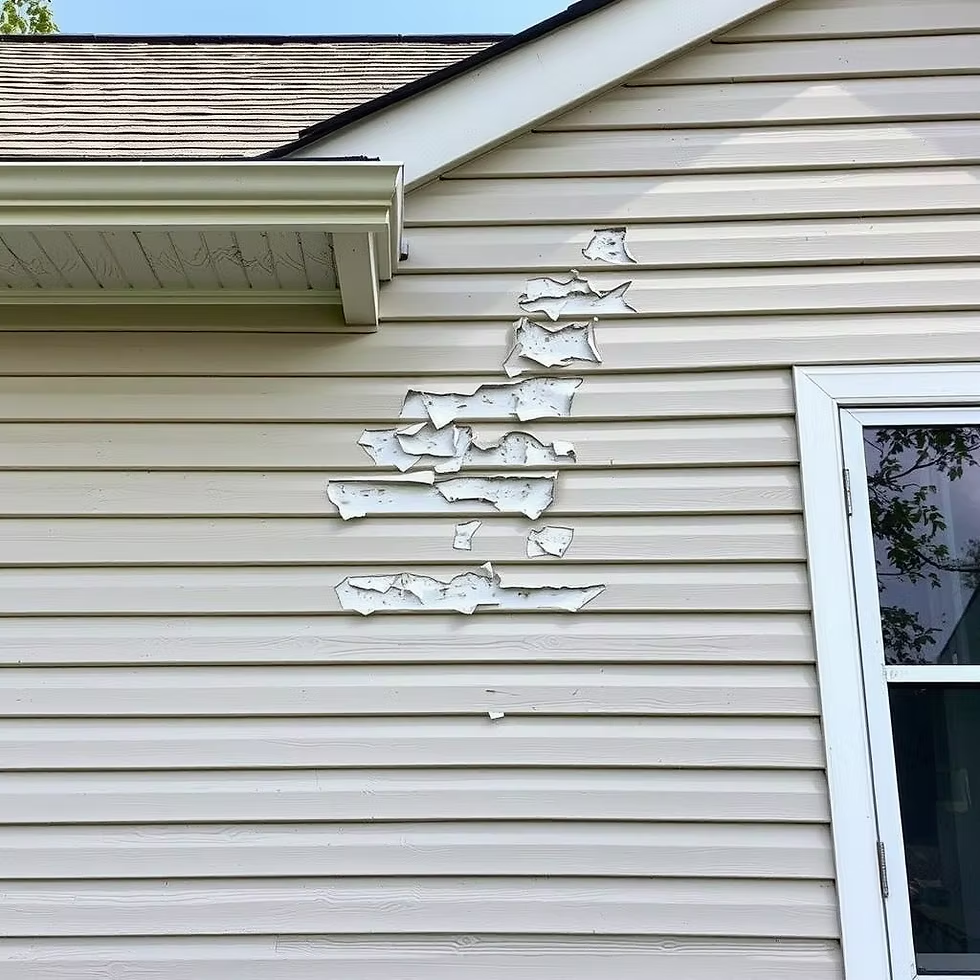
Siding damage can be deceptive because many failures happen at locks, seams, corners, and wall penetrations. A vinyl panel may look straight but have a broken nailing hem. Fiber cement may show a hairline impact crack that takes on water. Aluminum can dent without opening immediately, then separate later. Wood siding can absorb wind-driven moisture through a split, failed joint, or damaged coating.
This is why a post-storm walkaround is worth doing even when you do not see a panel lying in the yard. Start from the ground, use binoculars or a phone zoom if needed, and avoid climbing ladders in wet or windy conditions.
7 Signs Your Livingston Home May Have Storm-Damaged Siding
- Loose, lifted, or rattling panels. If vinyl siding moves excessively or rattles after a storm, the locking edge or fasteners may have been damaged even if the panel is still attached.
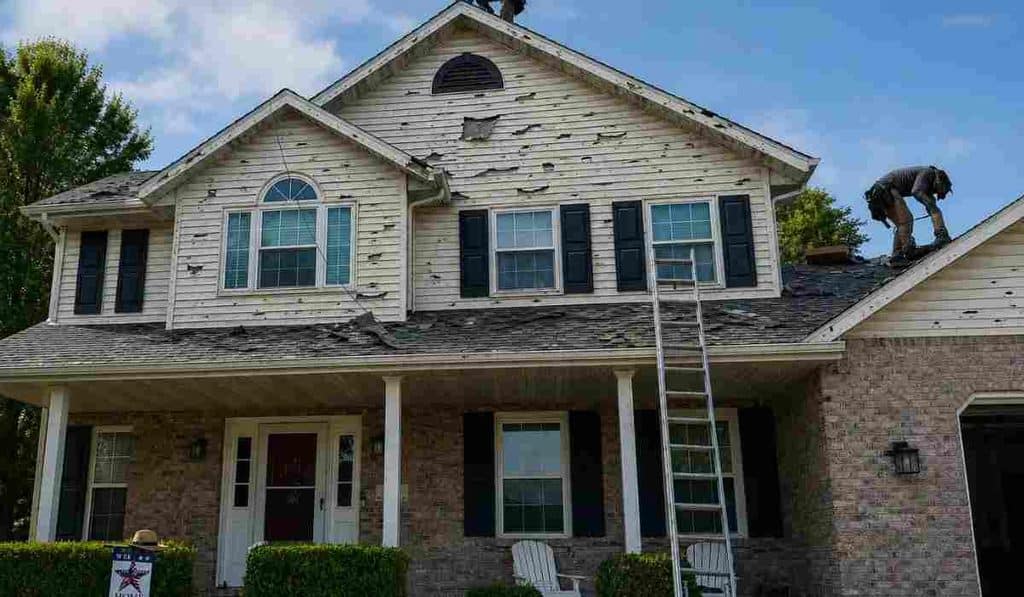
- Cracks, punctures, chips, or dents. Look especially at the windward side of the house and around areas exposed to tree branches, gravel, or other debris.
- A wavy or bowed section that was not there before. Buckling can mean a panel has shifted, a fastener has failed, or moisture has affected material behind the siding.
- Open seams or separated corner posts. Wind-driven rain can enter through gaps at corners, window trim, utility penetrations, and transitions between materials.
- Water staining indoors near an exterior wall. Peeling paint, a damp odor, or staining after a storm can indicate water passed behind the cladding.
- Damaged soffit, fascia, gutters, or roof edges near the same wall. Storms rarely damage only one exterior component. Related damage can help explain where water is entering.
- Missing caulk or failed flashing around windows and doors. The siding field may be intact while the vulnerable detail around an opening has failed.
Your Repair Options After Siding Storm Damage
Option 1: Replace a Few Individual Panels or Boards
This is the best-case scenario. If one small section took the impact and the wall behind it is dry and solid, a contractor may be able to remove the damaged pieces, inspect the weather barrier, make any minor flashing or sealing corrections, and install matching siding.
The main limitation is matching. Older vinyl colors fade, manufacturers discontinue profiles, and even a technically correct repair can stand out if the replacement panel is noticeably different. If you have spare siding stored from the original project, this is exactly when it becomes valuable.
Option 2: Re-Side One Wall or One Elevation
A partial replacement can make sense when storm damage is concentrated on one side of the house, especially the wall that took the strongest wind or debris impact. Re-siding one elevation allows the contractor to create a consistent appearance on that wall while avoiding a full-home replacement that is not yet necessary.
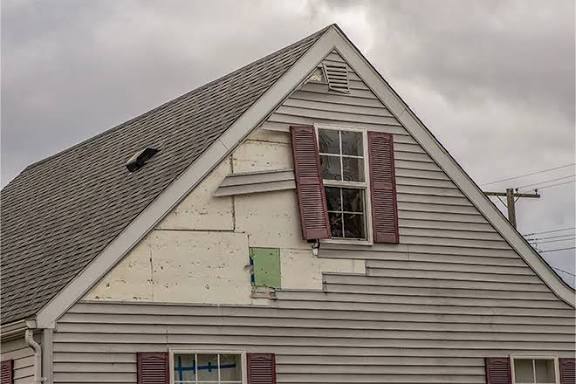
This option also gives the crew access to the weather barrier and sheathing across the affected wall. If moisture traveled farther than the visible damage suggests, it can be corrected before new siding is installed.
Option 3: Full Siding Replacement
Full replacement is not automatically the right answer after a storm, but it becomes more reasonable when damage is widespread or the existing siding already had age-related problems. If several walls have cracks or loose panels, the substrate shows moisture damage, or matching the old product is impossible, piecemeal repairs can turn into repeated service calls without solving the larger issue.
For homeowners comparing the line between repair and replacement, our siding repair vs. replacement guide for nearby Montclair goes deeper into age, sheathing condition, percentage of damaged exterior, and material choices. The same decision framework is useful in Livingston, even though every house should be inspected on its own merits.
What Does Storm-Damaged Siding Repair Cost in Livingston, NJ?
There is no responsible single price for storm-damaged siding because a “siding repair” can mean replacing two vinyl panels or rebuilding an entire rain-damaged wall assembly. The cost is driven by material, height, access, how much siding must be removed to inspect hidden damage, whether matching material is available, and whether sheathing, insulation, trim, flashing, or house wrap also needs work.
For a useful planning reference, BlueSky’s 2026 Montclair guide says the ranges we see on single-family homes across Essex County are roughly $350–$1,200 for a small spot repair, $2,500–$6,500 for a partial re-siding project, $12,000–$22,000 for full vinyl siding replacement, and $18,000–$32,000 for full fiber-cement replacement. These are planning ranges, not Livingston quotes, and storm-related hidden damage can move the final number in either direction.
| Repair scope | Usually makes sense when | Main cost variable |
|---|---|---|
| Spot repair | Damage is limited and matching siding is available | Access, material match, hidden moisture |
| One-wall / partial replacement | One elevation took most of the storm | Wall size, trim, sheathing, insulation |
| Full replacement | Damage is widespread or siding is already aging | Home size, siding material, wall preparation |
The most useful estimate is one that separates visible siding work from any substrate repair. Ask for the scope in writing so you can see exactly what is being replaced and what would trigger an added cost if hidden damage is uncovered.
Does Homeowners Insurance Cover Storm-Damaged Siding in New Jersey?
Often, windstorm or hail damage can be covered under a standard homeowners policy, but coverage depends on the actual policy, deductible, exclusions, age or condition of the siding, and how the insurer evaluates the cause of loss. The New Jersey Department of Banking and Insurance advises homeowners to report storm losses promptly, document damage with photographs, make reasonable temporary repairs to prevent further loss, and keep receipts. It also notes that permanent repairs generally should wait until the adjuster has had an opportunity to review the damage.
That makes documentation important. Before damaged siding is removed, photograph every affected wall from a distance and close up. Include corners, windows, gutters, roof edges, and any debris that struck the home. Note the date of the storm and where you first noticed damage. If water entered, photograph interior staining or wet materials as well.
For New Jersey-specific insurance guidance, review the NJ Department of Banking and Insurance storm-claim guidance. A contractor can document physical damage and provide a repair scope, but the insurance carrier determines coverage under your policy.
Do You Need a Permit for Siding Repair in Livingston?
Permit requirements can depend on how extensive the work is and whether the project affects more than the finish layer. A small like-for-like repair is different from a full re-siding project that includes sheathing, insulation, structural repair, or changes to the wall assembly. Before a major project, confirm the current requirements with the Township rather than relying on a general rule from another New Jersey municipality.
Livingston publishes construction permit information through its Building Department permits and applications page. BlueSky’s Essex County service process also includes permit coordination when a project requires it.
What to Do in the First 24–48 Hours After a Storm
- Stay safe and inspect from the ground. Do not climb on wet roofs or use ladders in active wind. Look for siding pieces, trim, branches, and other debris around the property.
- Photograph before touching anything. Take wide shots of every elevation, then close-ups of cracks, loose panels, dents, open seams, and impact points.
- Stop active water entry if it can be done safely. Temporary protection may be needed around an opening or exposed wall. Save receipts for emergency materials or contractor work.
- Check connected exterior systems. Look at gutters, fascia, soffits, roof edges, window trim, and exterior vents. A siding problem can be part of a larger storm-damage path.
- Schedule a siding inspection. Ask the contractor to check behind damaged areas when practical, not just quote the visible panel replacement.
- Contact your insurer if you plan to file a claim. Follow the carrier’s documentation and inspection process before authorizing permanent repair work.
How a Professional Siding Inspection Should Be Different From a Sales Walkaround
A good storm inspection should answer specific questions. Which walls were exposed to the event? Are the panels locked correctly? Is there impact damage or simply age-related wear? Are window and door details still sealed? Is the sheathing firm? Are gutters or roof edges sending water behind the siding? Can the existing product be matched? The goal is to identify the smallest scope that restores the wall properly, not to start with a full replacement recommendation and work backward.
BlueSky’s siding services include siding repair, panel replacement, moisture protection, sealing, insulation upgrades, and full siding installation. Because our team also works on roofs, gutters, chimneys, and masonry, we can evaluate whether the damage started somewhere above or beside the siding instead of treating the visible symptom in isolation.
Repair vs. Replace: A Simple Livingston Homeowner Checklist
| Question | Repair is more likely | Replacement is more likely |
|---|---|---|
| How much is damaged? | A few panels or one small area | Multiple walls or repeated failures |
| Is the wall behind it dry? | Sheathing is firm and dry | Soft, stained, swollen, or deteriorated substrate |
| Can the material be matched? | Same profile/color is available | Product is discontinued or badly faded |
| How old is the siding? | Relatively recent and otherwise sound | Near end of service life with widespread wear |
| Are there interior symptoms? | No moisture or draft issues | Staining, damp odor, peeling paint, recurring drafts |
| Did other exterior systems fail? | No related damage | Roof edge, gutters, trim, or flashing also damaged |
Why Local Context Matters for Livingston Siding Repairs
A local siding repair is not just about putting the right color panel on the wall. North Jersey weather, Essex County permitting practices, the age and construction of the individual home, and the condition of adjacent roof and drainage systems all affect the repair. Livingston is also close to BlueSky’s Clifton base, and our Essex County roofing and siding page specifically lists Livingston among the communities we serve.
Before choosing a contractor, look for a current New Jersey license/registration where applicable, insurance, a written scope, documented material specifications, and a clear explanation of what happens if hidden damage is found. You can also review BlueSky’s recent exterior projects and homeowner reviews before scheduling.
Frequently Asked Questions About Storm-Damaged Siding in Livingston, NJ
Can wind damage siding without blowing it off the house?
Yes. Wind can break locks, loosen fasteners, open seams, or pull a panel partly away from the wall without removing it. The siding may still appear acceptable until the next wind or rain event.
Can only the damaged side of my house be replaced?
Often, yes. If damage is concentrated on one elevation and the rest of the siding is sound, a one-wall replacement can be a practical middle ground. Matching trim, corner details, and transitions should be planned carefully so the result looks intentional.
Should I replace one cracked vinyl siding panel myself?
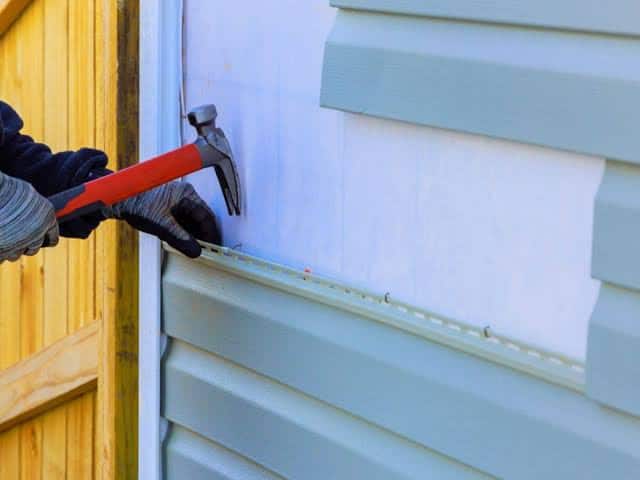
A simple panel swap looks easy, but storm damage can involve the nailing hem, weather barrier, flashing, or sheathing behind the panel. If the damage followed a significant storm or there is any sign of moisture, an inspection is safer than assuming the visible crack is the whole problem.
How soon should storm-damaged siding be repaired?
As soon as practical after the damage is documented and, when an insurance claim is involved, after you have followed the carrier’s inspection instructions. Open seams, missing panels, exposed sheathing, or active water entry need prompt temporary protection.
What siding materials can BlueSky repair or replace?
BlueSky’s siding service includes repair and installation work for common residential siding systems, with material selection based on the home, existing exterior, performance needs, and project scope. The first step is identifying what is already installed and whether it can be matched.
Get a Storm-Damage Siding Inspection in Livingston, NJ
If a recent storm left your siding cracked, loose, dented, or simply “not quite right,” get it checked before the next round of wind and rain. A focused inspection can tell you whether you need a small panel repair, one-wall replacement, moisture correction behind the siding, or a larger exterior project.
BlueSky Roofing & Siding Solutions is family-owned and operated, serves Livingston and the wider Essex County area, and is based at 310 Colfax Ave Unit E in Clifton, NJ. To request a no-pressure inspection and written estimate, contact BlueSky for a free estimate or call (201) 686-1059.

